Posted on 8/29/2026

Audi and Volkswagen DSG transmissions use two internal clutches and electronically controlled hydraulic components to deliver rapid gear changes. Depending on the model, the transmission may use wet clutches lubricated by fluid or a dry-clutch design with different service requirements. DSG fluid and filter service must follow the schedule written for the exact transmission. Delaying required maintenance allows heat, clutch material, and fine metal particles to remain in the fluid longer, which can affect lubrication, hydraulic control, clutch operation, and mechatronic components. How A DSG Transmission Works DSG stands for Direct-Shift Gearbox. Instead of using a conventional torque converter, the transmission uses two clutches. One clutch controls one group of gears, while the second controls the other group. The transmission can prepare the next gear before releasing the current gear, allowing fast shifts with little interruption in power. A mechatronic unit co ... read more
Posted on 7/31/2026
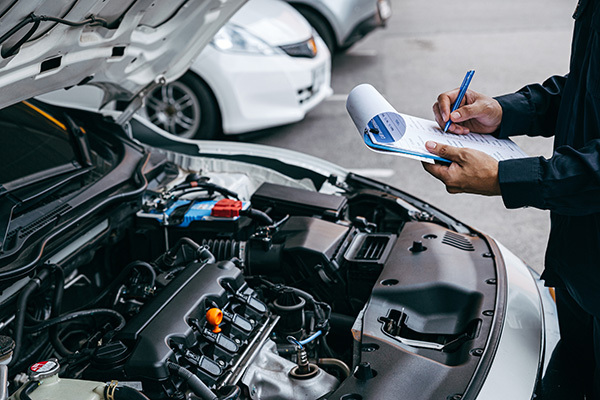
Direct-injection engines changed the way many European cars drive. They can make strong power from smaller engines, respond well to turbocharging, and return good fuel economy when everything is clean and working as designed. That is why so many Audi, BMW, Volkswagen, MINI, Mercedes-Benz, Porsche, and other European models use some version of this fuel system. There is one catch that owners often do not hear about until the engine starts acting strange. Direct-injection engines can develop carbon buildup on the intake valves. The car may still run, but cold starts get rougher, idle quality changes, misfire codes appear, and acceleration starts feeling less sharp than it used to. Why Direct Injection Creates This Problem In a traditional port-injection engine, fuel is sprayed into the intake port before it enters the cylinder. That fuel passes over the intake valves, helping wash away some oil vapor and residue before deposits can build up heavily. A direct-injectio ... read more
Posted on 6/26/2026
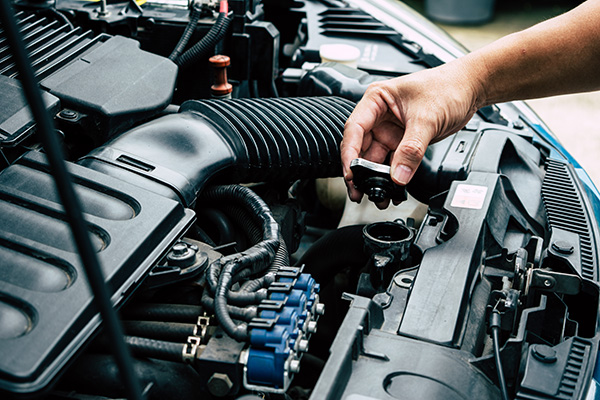
Hybrid cars and EVs feel very different from traditional gas vehicles in many ways. Some are quieter, some use regenerative braking, and some have no gasoline engine at all. Because of that, drivers sometimes assume the service needs are completely different, too. That is only partly true. Hybrids and EVs do have high-voltage systems and special service requirements, but they still share many familiar parts with gas cars. Tires, brakes, suspension, steering, cooling, A/C, filters, and electrical components all need attention as the miles add up. Tires, Brakes, And Suspension Still Wear Every vehicle still rides on tires, and hybrid and EV tires work hard. EVs and hybrids can be heavier due to their battery packs, and electric torque can come on quickly. That can wear tires faster if pressure, rotation, and alignment are ignored. The suspension also carries that weight every day. Shocks, struts, bushings, control arms, ball joints, and sway bar links can wear just l ... read more
Posted on 5/29/2026
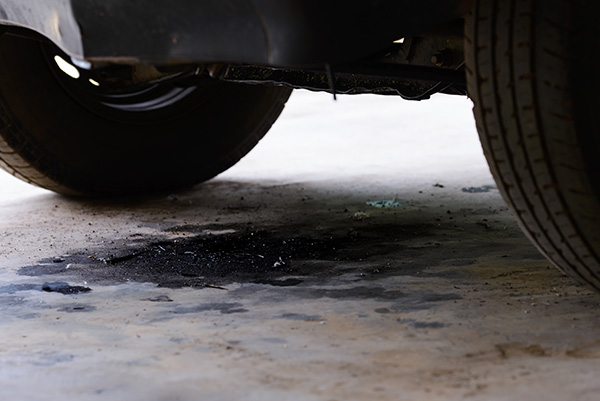
A fluid spot under your car is never something drivers are excited to find. The hard part is knowing what you are looking at. Some leaks are messy but less urgent, while others can affect braking, cooling, steering, or transmission operation faster than expected. The color, smell, location, and feel of the fluid can give useful clues. Those clues are not a replacement for a proper check, but they can help you understand how serious the leak might be before you bring the vehicle in. Start With Where The Leak Shows Up The location of the puddle can narrow the search right away. A leak near the front center of the vehicle could be engine oil, coolant, power steering fluid, or A/C condensation. A leak near the wheels could point to brake fluid, axle seals, or suspension-related hydraulic components on some vehicles. A leak under the middle or rear of the vehicle can point toward transmission fluid, differential fluid, fuel, or exhaust condensation. Location alone does ... read more
Posted on 4/30/2026

Many drivers rely on warning lights to tell them when something is wrong. Oil level is one of those things that can drop without triggering an immediate alert. That is why checking it manually still matters. It takes only a few minutes, but it gives you a clear picture of how your engine is doing. Done correctly, it can help you catch low oil or early signs of a problem before they turn into expensive repairs. When To Check Your Oil For The Most Accurate Reading Timing matters when checking oil. The best time is when the engine is cool or has been off for several minutes. This allows the oil to settle back into the oil pan. Checking it right after shutting the engine off can give a slightly inaccurate reading because oil is still circulating through the system. Waiting a few minutes helps ensure you are seeing the true level. Make sure the vehicle is parked on level ground. Even a slight incline can affect how the oil sits in the pan and change the reading ... read more
Posted on 3/27/2026
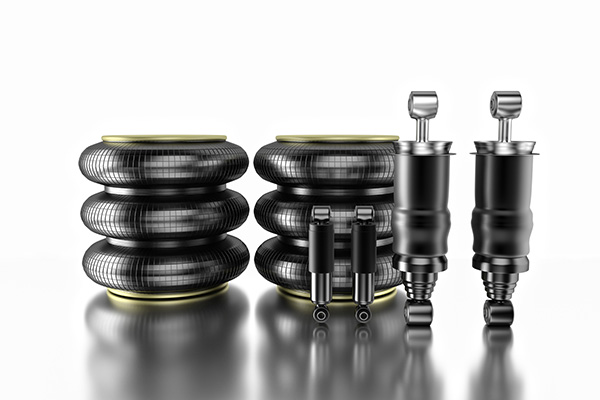
Mercedes-Benz vehicles are supposed to feel composed. Even when the road is rough, the car should stay controlled, settled, and confident instead of loose or unsettled. That is why suspension problems on a Mercedes-Benz stand out pretty quickly. The ride starts feeling different, and once you notice it, it is hard to unnotice. Most of the time, the first clue is not a major failure. It is a change in how the car feels every day. Signs The Ride Is Losing Its Normal Composure A suspension problem rarely begins overnight unless it involves the air suspension. More often, the car starts reacting differently to bumps, dips, braking, or lane changes. You may notice more bounce than before, a little extra lean in corners, or a front end that no longer feels as planted at highway speed. That change matters because Mercedes-Benz suspension systems are supposed to feel controlled and refined. When the car starts feeling floaty, harsh, or less stable, it usually means one or ... read more
Posted on 2/27/2026
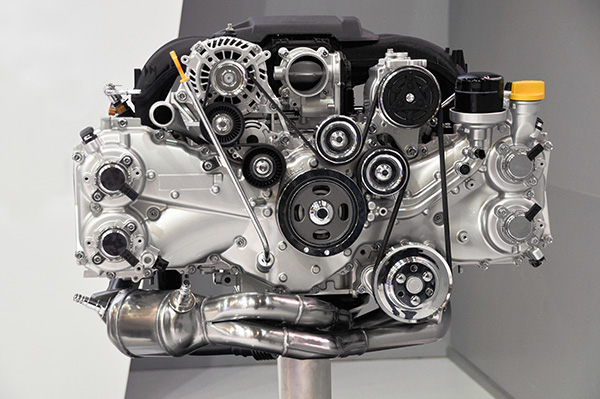
A serpentine belt problem usually starts as a small annoyance, then turns into a real inconvenience fast. Maybe you hear a quick chirp on startup or notice a faint burning rubber smell after a drive. The trouble is, the belt does a lot of behind-the-scenes work, so when it slips or breaks, multiple systems can go down at once. That is why replacing it on time matters more than most people think. What The Serpentine Belt Powers The serpentine belt is the long belt that runs across the front of the engine and drives key accessories. Depending on the vehicle, it can spin the alternator, power steering pump, water pump, and A/C compressor. Some engines also use it to run additional pulleys and components that support cooling and charging. When that belt loses grip, those systems lose performance, even if the engine itself still runs. What It Feels Like When The Belt Starts Slipping A slipping belt often announces itself with noise first. You might hea ... read more
Posted on 1/30/2026
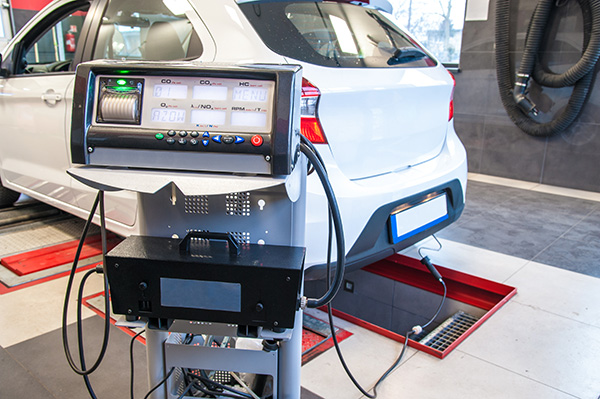
That check engine light has a way of showing up when the car feels perfectly fine. No weird noises, no shaking, nothing dramatic. Just a glowing reminder on the dashboard that something is not happy. Oxygen sensors are one of the most common reasons that the light pops on, and it’s not always because the sensor is dead. Sometimes it’s reacting to a problem upstream. Either way, it’s worth understanding what the sensor is seeing, and what can happen if you keep driving like nothing’s going on. What The Oxygen Sensors Are Watching Oxygen sensors sit in the exhaust stream and measure the amount of oxygen remaining after combustion. The engine computer uses that information to adjust the air-fuel mixture. It’s basically a feedback loop: the engine burns fuel, the sensor reports what it sees, and the computer fine-tunes the mixture. Most cars have at least two sensors per bank. The upstream sensor (before the catalytic converter) has the bi ... read more