That check engine light has a way of showing up when the car feels perfectly fine. No weird noises, no shaking, nothing dramatic. Just a glowing reminder on the dashboard that something is not happy.
Oxygen sensors are one of the most common reasons that the light pops on, and it’s not always because the sensor is dead. Sometimes it’s reacting to a problem upstream. Either way, it’s worth understanding what the sensor is seeing, and what can happen if you keep driving like nothing’s going on.
What The Oxygen Sensors Are Watching
Oxygen sensors sit in the exhaust stream and measure the amount of oxygen remaining after combustion. The engine computer uses that information to adjust the air-fuel mixture. It’s basically a feedback loop: the engine burns fuel, the sensor reports what it sees, and the computer fine-tunes the mixture.
Most cars have at least two sensors per bank. The upstream sensor (before the catalytic converter) has the biggest influence on fuel control. The downstream sensor (after the converter) is mainly there to monitor converter performance. When either one sends a signal that doesn’t make sense, the computer flags it and turns on the check engine light.
Why A Bad O2 Sensor Triggers The Check Engine Light
Sensors are supposed to react quickly and predictably. When a sensor gets sluggish, stuck, or inconsistent, the computer notices. It might see a sensor that’s switching too slowly, stuck lean, stuck rich, or drifting out of its expected range.
There’s another twist: the sensor can be reporting honestly, and the real problem is the engine or exhaust. An exhaust leak near the sensor can pull in outside air, causing the sensor to read lean. A misfire can dump unburned fuel into the exhaust, making readings appear rich. A fuel system issue can push the mixture out of range. In those cases, the check engine light is still doing its job. It’s just pointing to the symptom first.
We see this a lot with vehicles that come in for an oxygen sensor code, and the fix ends up being something like a small exhaust leak or a different drivability issue that’s throwing the sensor off.
The Most Common Consequences Drivers Notice
Some cars will run almost the same with a tired oxygen sensor, at least at first. Others make it obvious. Here are the most common changes drivers notice when oxygen sensor issues are involved:
Even when the car seems normal, the engine computer may be making less accurate fuel corrections. Over time, that can lead to carbon buildup, spark plug fouling, and extra stress on the catalytic converter.
Causes That Make Sensors Fail Early
Oxygen sensors live in a harsh spot. They deal with heat, moisture, vibration, and constant exposure to exhaust gases. Age alone can wear them out, but certain conditions shorten their life.
Oil consumption can coat sensors with residue. Coolant leaking into the combustion process can damage sensors quickly. Running rich for an extended period can also contaminate the sensor and overwork the catalytic converter at the same time.
Short-trip driving can play a role too. If the engine and exhaust don’t fully heat up regularly, moisture and deposits can build up faster. That’s not a guarantee you’ll lose a sensor early, but it can help explain why the light shows up sooner than you expected.
How Modern Diagnostic Separates Sensor Failure From Other Problems
An oxygen sensor code is a starting point, not a finish line. The smart move is confirming whether the sensor is lying, slow, or reacting to something else.
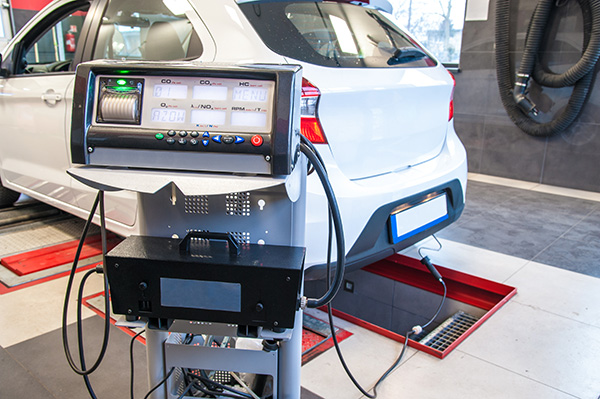
A proper check usually includes looking at live sensor data, fuel trim numbers, and how the sensor responds at idle, during steady cruising, and under light load. If fuel trims are out of range, the engine is compensating for something. That something might be a vacuum leak, a fuel delivery issue, a misfire, or an exhaust leak.
It also matters which sensor is involved. Upstream sensor problems usually tie directly to mixture control and drivability. Downstream sensor problems often point to catalytic converter monitoring or sensor performance issues downstream of the converter.
What Happens If You Keep Driving With The Light On
Sometimes drivers keep going for months because the car still starts and drives. The risk is that small problems can snowball.
If the engine is running rich, the catalytic converter can overheat and fail. If the engine is running lean, it can run hotter than it should and develop drivability issues. If the sensor is simply slow, you may burn extra fuel and add deposits over time.
There’s also the practical issue: once the check engine light is on, it can mask new problems. A second issue can show up, and you won’t know it because the light is already lit. That’s one reason it’s better to handle it sooner, even if the car feels okay today.
Get Check Engine Light Diagnostics in Encinitas, CA, with Complete Car Care Encinitas
We can scan the system, check oxygen sensor performance with live data, and confirm whether the sensor is the true issue or if something else is pushing the readings out of range. We’ll explain what we find in plain terms and help you avoid repeat repairs by fixing the cause, not just the code.
Call Complete Car Care Encinitas in Encinitas, CA, to schedule diagnostics and get that check engine light handled the right way.