Posted on 7/31/2026
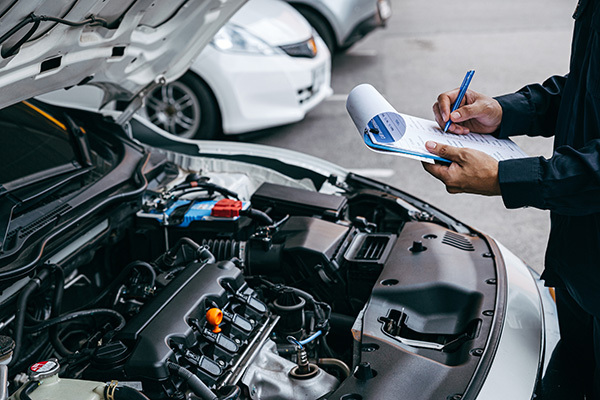
Direct-injection engines changed the way many European cars drive. They can make strong power from smaller engines, respond well to turbocharging, and return good fuel economy when everything is clean and working as designed. That is why so many Audi, BMW, Volkswagen, MINI, Mercedes-Benz, Porsche, and other European models use some version of this fuel system. There is one catch that owners often do not hear about until the engine starts acting strange. Direct-injection engines can develop carbon buildup on the intake valves. The car may still run, but cold starts get rougher, idle quality changes, misfire codes appear, and acceleration starts feeling less sharp than it used to. Why Direct Injection Creates This Problem In a traditional port-injection engine, fuel is sprayed into the intake port before it enters the cylinder. That fuel passes over the intake valves, helping wash away some oil vapor and residue before deposits can build up heavily. A direct-injectio ... read more