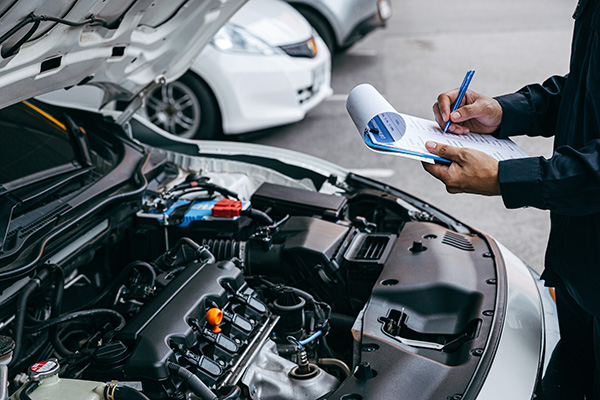
Direct-injection engines changed the way many European cars drive. They can make strong power from smaller engines, respond well to turbocharging, and return good fuel economy when everything is clean and working as designed. That is why so many Audi, BMW, Volkswagen, MINI, Mercedes-Benz, Porsche, and other European models use some version of this fuel system.
There is one catch that owners often do not hear about until the engine starts acting strange. Direct-injection engines can develop carbon buildup on the intake valves. The car may still run, but cold starts get rougher, idle quality changes, misfire codes appear, and acceleration starts feeling less sharp than it used to.
Why Direct Injection Creates This Problem
In a traditional port-injection engine, fuel is sprayed into the intake port before it enters the cylinder. That fuel passes over the intake valves, helping wash away some oil vapor and residue before deposits can build up heavily.
A direct-injection engine works differently. Fuel is sprayed directly into the combustion chamber. That design has benefits, but it also means the intake valves no longer get the same cleaning effect from fuel passing over them.
Oil vapor from the PCV system, exhaust residue from valve overlap, heat, short trips, and normal engine breathing can all leave deposits behind. Over time, those deposits harden on the back of the intake valves and in the intake ports.
What Carbon Buildup Does To The Engine
The intake valves control airflow into the cylinders. When carbon collects on those valves, the airflow becomes less clean and less even. The shape of the deposits can disrupt airflow, reduce flow, and affect how each cylinder fills.
At first, the change may be small. The engine may only feel a little rough during cold starts. Later, it may idle unevenly, hesitate, misfire, or feel weaker under acceleration. Some drivers notice the car feels better once it warms up, then rough again the next morning.
Carbon buildup can also confuse the repair process. A vehicle may show misfire codes, but replacing coils and spark plugs may not solve the real airflow problem if the intake valves are heavily coated.
Cold Starts Often Tell The Story
Carbon buildup often shows itself when the engine is cold. During a cold start, the engine needs precise fuel, air, and spark to settle into a clean idle. If the intake valves are dirty, airflow can be uneven enough to make the engine stumble.
You may hear a rough idle for the first few seconds, feel shaking through the seat, or notice the engine speed hunting before it settles. On some vehicles, the check engine light comes on after repeated cold-start misfires.
That does not mean every cold-start misfire is carbon buildup. Ignition coils, spark plugs, fuel injectors, vacuum leaks, software issues, and compression concerns can also cause rough starts. The pattern simply makes carbon buildup worth checking on many European direct-injection engines.
The Symptoms Can Feel Like Other Problems
One reason carbon buildup is frustrating is that it does not always create one clear symptom. It can feel like ignition trouble, fuel trouble, turbo lag, or a tired engine.
Common signs include:
- Rough cold starts that improve after the engine warms up, especially when the shaking happens for a short time and then fades.
- Misfire codes that return after basic ignition parts have already been checked can point toward airflow or cylinder-filling problems rather than just spark.
- Hesitation during light acceleration because the engine is not breathing evenly through each intake port.
- A rough idle at stoplights that feels worse than normal but does not always become severe enough to make the car hard to drive.
- Reduced fuel economy or weaker throttle response because the engine has to work around restricted or uneven airflow.
These signs need a proper inspection because several systems can overlap. The goal is to identify the cause rather than blame carbon whenever a European engine runs rough.
Why Short Trips Can Make It Worse
Short trips are hard on direct-injection engines. If the engine rarely reaches full operating temperature for long, moisture and oil vapor can linger in the intake system. Stop-and-go driving, long idling, and low-speed trips can also add to deposit formation over time.
Spirited driving once in a while does not magically clean heavy valve deposits. Since fuel is not washing over the intake valves, the old “drive it hard and clean it out” idea has limits on direct-injection engines.
Good oil service, a healthy PCV system, correct engine temperature, and regular maintenance help reduce the conditions that feed buildup. They do not always prevent it completely, especially on engines known for valve deposits.
How Carbon Buildup Is Checked
Carbon buildup is usually confirmed by inspecting the intake side of the engine. Depending on the vehicle, technicians may use a borescope through the intake area to view the valves. Scan data, misfire counters, fuel trims, and cold-start behavior can also help point the testing in the right direction.
A visual check is useful because carbon severity varies. Light deposits may not explain a major drivability problem. Heavy deposits that crowd the valve stems and ports are a different story.
If cleaning is needed, many engines require intake removal and a more involved cleaning process. Walnut blasting is commonly used on many direct-injection engines because it can remove hardened deposits without using harsh methods inside the port. The exact procedure depends on the engine design.
Why Cleaning Should Be Part Of A Bigger Plan
Cleaning carbon buildup can help restore airflow, but it should not be the only thing considered. If the PCV system is failing, oil is entering the intake heavily, spark plugs are overdue, or the engine has other misfire causes, the symptoms may return or only partly improve.
A good repair plan looks at the whole situation. That includes mileage, service history, oil condition, PCV operation, ignition parts, air leaks, and the actual amount of buildup found during inspection.
Get Direct-Injection Carbon Buildup Service In Encinitas, CA, With Complete Car Care Encinitas
If your European direct-injection engine has rough cold starts, misfires, hesitation, poor idle quality, or weaker acceleration, Complete Car Care Encinitas in Encinitas, CA, can check for carbon buildup and related engine concerns.
For direct-injection carbon buildup service before drivability problems get worse, contact us to schedule an appointment.