Mercedes-Benz vehicles are supposed to feel composed. Even when the road is rough, the car should stay controlled, settled, and confident instead of loose or unsettled. That is why suspension problems on a Mercedes-Benz stand out pretty quickly. The ride starts feeling different, and once you notice it, it is hard to unnotice.
Most of the time, the first clue is not a major failure. It is a change in how the car feels every day.
Signs The Ride Is Losing Its Normal Composure
A suspension problem rarely begins overnight unless it involves the air suspension. More often, the car starts reacting differently to bumps, dips, braking, or lane changes. You may notice more bounce than before, a little extra lean in corners, or a front end that no longer feels as planted at highway speed.
That change matters because Mercedes-Benz suspension systems are supposed to feel controlled and refined. When the car starts feeling floaty, harsh, or less stable, it usually means one or more suspension parts are no longer doing their job the way they should.
Bouncing, Dipping, And Extra Body Movement
One of the clearest signs is a body that keeps moving after the road has already leveled out. If the car bounces more than it used to after a dip, dives forward harder when braking, or feels less settled over uneven pavement, worn shocks or struts move high on the list. Those parts are there to control spring movement, and once they start weakening, the whole car feels less disciplined.
This is often where drivers start realizing something is off. The car still drives, but it no longer has that tight, planted feel it had before. On a Mercedes-Benz, that difference is usually noticeable sooner because the normal ride quality is so controlled to begin with.
Uneven Ride Height Or Leaning
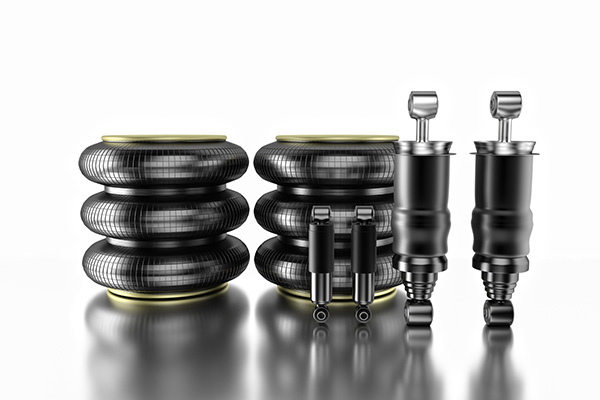
If one corner of the vehicle sits lower than the others, that is not something to ignore. On some Mercedes-Benz models, worn springs or suspension wear can cause the car to sit unevenly. On others, especially vehicles with air suspension, a failing air spring, a leaking line, a weak compressor, or a control issue can let one side sag after the car has been parked.
You may notice the lean first when the car is sitting in the driveway, or you may feel it while turning and braking. Either way, uneven ride height is more than a cosmetic issue. It changes how the suspension carries the vehicle, and that affects both comfort and stability.
Noises That Point To Suspension Wear
Suspension problems make themselves heard before they become severe enough to change handling dramatically. Clunks over bumps, creaks when turning into a driveway, or squeaks from one corner of the car usually point to worn bushings, links, mounts, or joints. The exact noise matters less than the fact that it keeps coming back under the same conditions.
A few sounds that deserve attention are:
- Clunking over speed bumps
- Creaking while turning at low speed
- Squeaking from one corner
- Rattling on broken pavement
These noises do not always indicate that the largest part has failed. Sometimes a smaller worn part is the one making all the sound. That is why a proper inspection is more useful than guessing based on the noise alone.
Tire Wear And Steering Feel Tell A Bigger Story
A Mercedes-Benz suspension issue does not stay underneath the car for long. The tires usually start showing it too. Uneven tread wear, cupping, or one tire wearing faster than the others often means the suspension is no longer keeping the wheel planted and controlled the way it should. Steering feel can change at the same time, with the car feeling less precise or needing more correction on the highway.
This is one reason regular maintenance helps so much. Tire wear patterns and small changes in steering feel often show up before the suspension problem becomes expensive. Catching it at that stage is a lot better than waiting until the ride quality, handling, and tires have all gone in the wrong direction.
Why It Gets More Expensive If You Wait
Suspension wear spreads to other components over time. A weak shock puts more stress on the tire. A worn bushing changes how the car tracks. A sagging corner changes the load on nearby parts. What could have been a focused repair turns into a longer list when the same worn part keeps affecting everything around it.
That is why it makes sense to act on the early signs. A car that feels less stable, sits unevenly, or keeps making suspension noise is already giving you the warning phase. The sooner the cause is found, the better the odds of keeping the repair smaller and protecting the way the car is supposed to drive.
Get Mercedes-Benz Suspension Service In Encinitas, CA, With Complete Car Care Encinitas
If your Mercedes-Benz has started bouncing more, sitting unevenly, making suspension noise, or feeling less stable than it used to, Complete Car Care Encinitas in Encinitas, CA, can perform an inspection and help you catch the problem before it spreads into bigger ride, handling, and tire issues.
Bring it in while the change is still something you feel, not a much larger suspension repair.